

Myopia Management

Myopia, commonly known as nearsightedness, makes it difficult for a child to see objects clearly at a distance, while close-up vision remains clear. In younger children, mild myopia may not immediately require correction. However, as children reach school age, signs such as difficulty seeing the classroom board, squinting, or frequent headaches often signal the need for glasses.
As children grow, their eyes grow as well—and myopia frequently progresses throughout childhood and adolescence. This progression often continues until eye growth stabilizes in the early 20s. Because of this, children with myopia are typically monitored annually. Contact lenses may become an option around ages 9–11, while refractive surgery such as LASIK is only considered once eye growth has fully stabilized in adulthood.
Why Managing Myopia Matters
Correcting vision alone does not stop myopia from getting worse. As myopia progresses, it increases the risk of serious eye conditions later in life, including:
- Retinal detachment
- Macular degeneration
- Glaucoma
Scientific research shows that genetics play a major role in myopia development, but environmental factors—such as increased screen time and limited outdoor activity—can also accelerate progression. Without intervention, many pediatric patients experience frequent prescription changes, leading to thicker glasses and worsening vision over time.
That’s why early, proactive myopia management is so important—helping protect your child’s vision today and tomorrow.
Modern Myopia Management Options
Advances in eye care now allow us to slow the progression of myopia, not just correct blurry vision. Ongoing, peer-reviewed studies support several effective treatment options, including:
- Low-dose atropine eye drops (0.025%–0.05%)
- Myopia-control eyeglass lenses (Stellest® lenses)
- FDA-approved myopia-control contact lenses, such as MiSight® 1 day
Each option is customized based on your child’s age, prescription, lifestyle, and visual needs.
Stellest® Lenses: Advanced Myopia Control Glasses
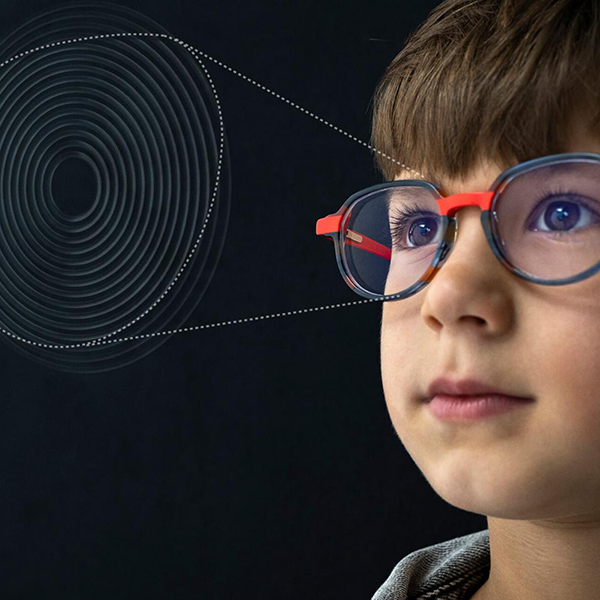
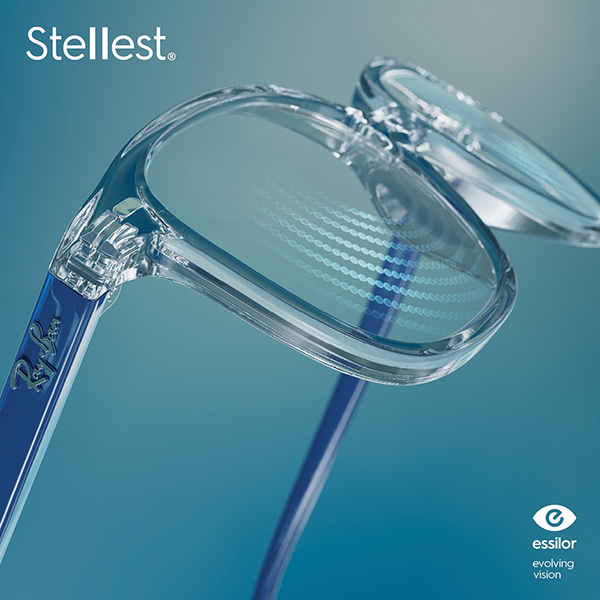

Stellest® lenses, Essilor®’s most advanced solution for myopia control, are designed to do more than simply correct vision. They actively help slow the progression of nearsightedness while your child sees clearly throughout the day.
Clinical studies show that Stellest® lenses can slow myopia progression by an average of 67% compared to traditional single-vision lenses when worn 12 hours per day.
Are Stellest® Lenses Right for Your Child?
Myopia tends to progress more rapidly when it begins at a younger age. Stellest® lenses are designed to:
- Correct your child’s vision now
- Help control how nearsightedness develops over time
- Support long-term eye health and clearer vision for the future
They are an excellent option for children who are not ready for contact lenses or for families seeking a non-invasive, easy-to-use myopia management solution.
MiSight® 1 Day Contact Lenses for Myopia Control
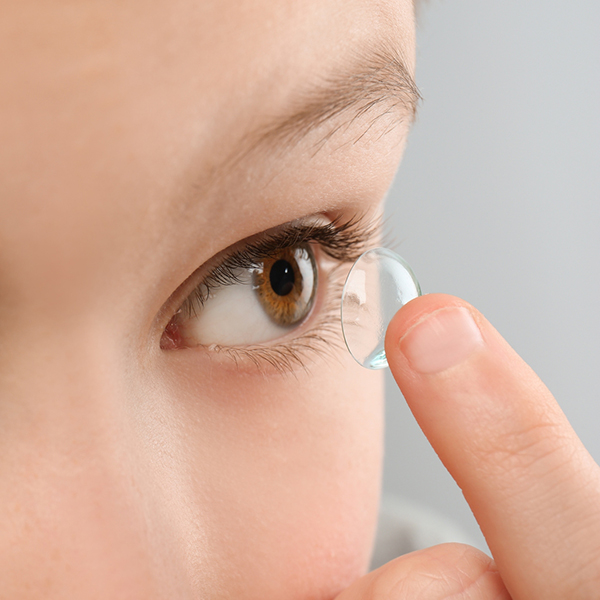
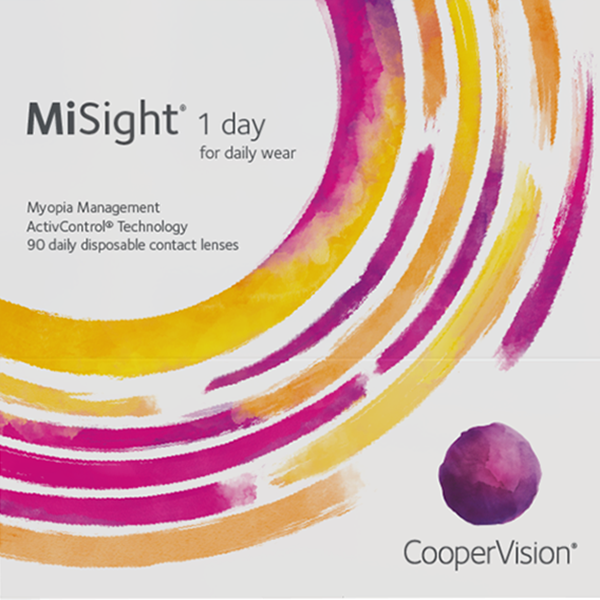

Correct and help protect your child’s blurry vision from getting worse as they grow with MiSight® 1 day soft contact lenses.
If your child has trouble seeing far away (nearsightedness, known as myopia), MiSight® 1 day lenses allow you to correct their vision AND help slow myopia progression at the same time. These daily disposable contact lenses are specifically designed for myopia control and are FDA-approved to slow the progression of myopia in children ages 8–12 at the initiation of treatment*.
Why Parents Choose MiSight® 1 Day
- FDA-approved* for myopia control
- Daily disposable lenses — no cleaning required
- Comfortable, soft contact lenses designed for kids
- Helps slow myopia progression while correcting vision
- Ideal for active children and teens
MiSight® 1 day lenses are a great option for children who are ready for contacts and want freedom from glasses while protecting their long-term eye health.
Atropine Eye Drops
Atropine has been used safely in ophthalmic care for decades. At its traditional strength (1%), it causes prolonged pupil dilation. However, newer research shows that very low doses of atropine (0.025%–0.05%) can significantly slow myopia progression without noticeable dilation or disruption to daily activities.
Studies show low-dose atropine is well tolerated, and in many children, it can greatly reduce—or even halt—prescription changes over time.
Is Myopia Management Right for Your Child?
If your child has been diagnosed with myopia—or you’re noticing frequent changes in their prescription—early intervention can make a meaningful difference in their long-term eye health.
Contact us today to schedule a myopia management consultation and learn which treatment option is right for your child and your family.


